Do solar panels need direct sunlight? The simple answer is no. Solar panels generate electricity from daylight, so they continue producing power even on cloudy days. Although output is lower than during bright sunshine, modern solar systems can still perform well in the UK's climate because photovoltaic cells use light, not heat, to generate electricity. This is why solar remains a practical and effective choice for many UK homes throughout the year.
Key Takeaways
- Solar panels generate electricity from daylight, not only direct sunshine.
- Cloudy weather reduces electricity generation but does not stop it completely.
- Permanent shading from trees, chimneys or nearby buildings has a greater impact than ordinary cloud cover.
- Power optimisers and microinverters can reduce the impact of shading on individual panels.
- A professional solar shading analysis helps identify potential issues before installation.
Considering solar panels for your home? Request a free system design to see how suitable your property is and how shading could affect your expected generation.
Do Solar Panels Need Direct Sunlight to Operate?
Photovoltaic cells generate electricity from light, not heat. This means solar panels continue producing electricity whenever daylight reaches the panels, even if the sun is hidden behind clouds. Although electricity generation is lower than during bright sunshine, well-designed solar systems can still perform effectively in the UK's often cloudy climate.
The amount of electricity your system generates depends on several factors, including the weather, roof orientation, panel angle and any nearby shading. A professional system design takes these factors into account to help maximise long-term energy generation.
If you're considering solar panels, request a free system design to see how suitable your property is and how much electricity your roof could generate.
Do Solar Panels Work in Shade or During Cloudy Days?
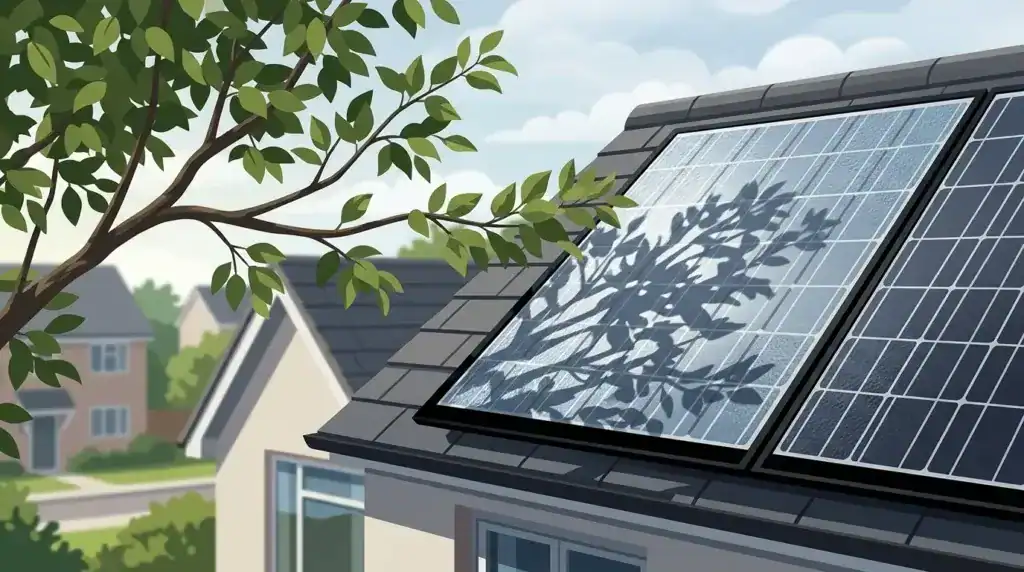
Yes, but there is an important difference between cloudy weather and permanent shade. Clouds reduce the amount of sunlight reaching all the panels for a short time, whereas shade from trees, chimneys or neighbouring buildings repeatedly blocks light from specific panels. As a result, permanent shading often has a greater impact on long-term electricity generation.
For example, a chimney that casts a small shadow for a short period each day may have only a limited effect on annual generation. In contrast, a large tree shading several panels throughout the afternoon can significantly reduce your system's overall performance.
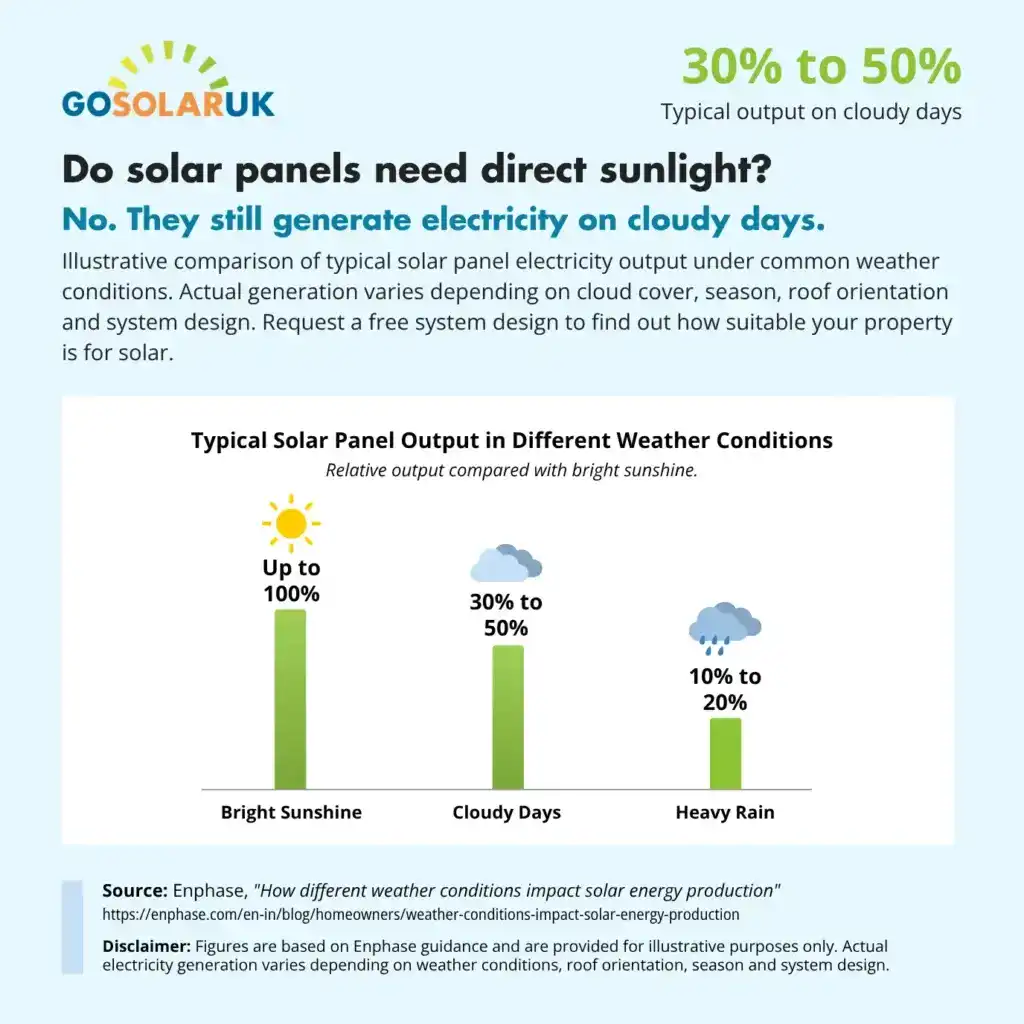
| Weather Condition | Expected Output |
|---|---|
| Bright sunshine | Up to 100% |
| Cloudy days | 30% to 50% |
| Heavy rain | 10% to 20% |
| Snow-covered panels | Minimal until the panels are clear |
Figures are based on guidance published by Enphase. Actual electricity generation varies depending on weather conditions, roof orientation, season and system design.
Why Solar Shading Matters More Than Clouds
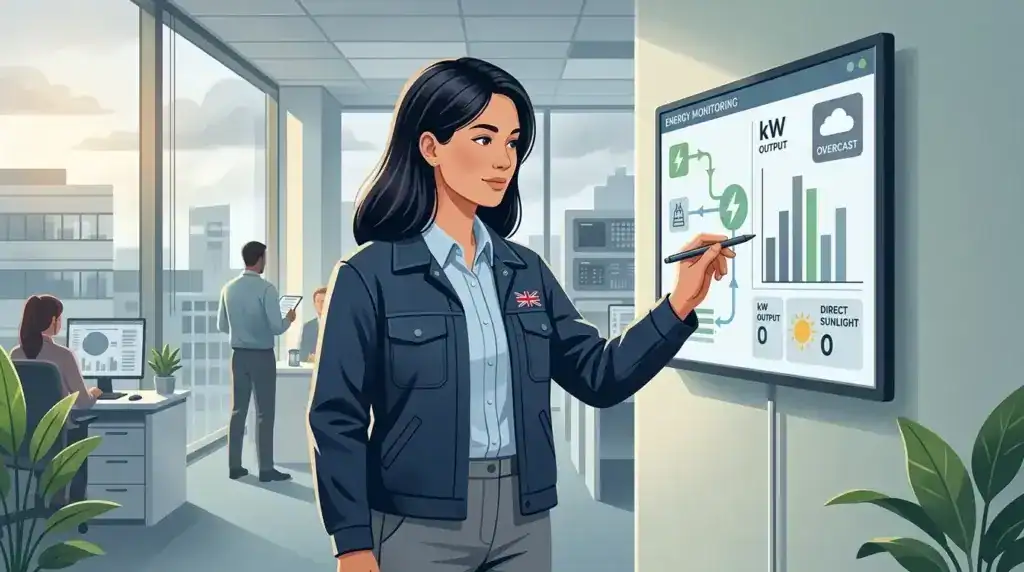
Permanent shading from trees, chimneys, dormers, satellite dishes or neighbouring buildings usually has a greater impact on electricity generation than passing clouds. While clouds temporarily reduce the amount of sunlight reaching every panel, permanent shade repeatedly blocks the same panels at certain times of the day, leading to greater long-term energy losses.
Modern solar systems can reduce the impact of shading by using bypass diodes, power optimisers or microinverters. These technologies allow affected panels to operate more independently, helping to minimise generation losses when only part of the array is shaded. However, they cannot recover electricity that never reaches the panels, which is why careful system design remains essential.
To learn more about getting the best performance from your solar installation, explore our solar advice articles.

Did You Know?
According to Enphase, solar panels may still generate around 30% to 50% of their optimal power-producing capacity on cloudy days. The exact output depends on cloud cover and local conditions.
Source: Enphase, How different weather conditions impact solar energy production.
How We Measure Solar Shading
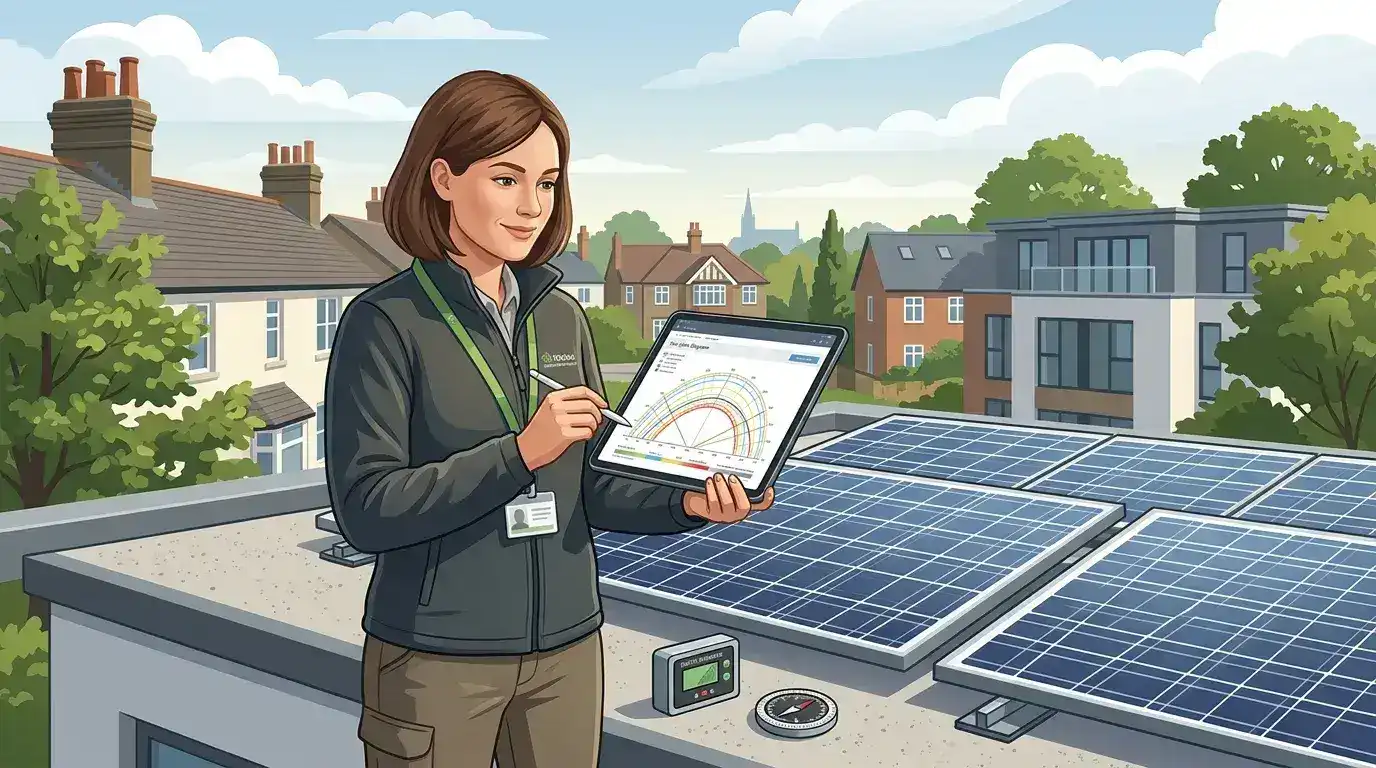
A professional solar shading assessment helps predict how much sunlight your roof will receive throughout the year. During a site survey, installers typically assess:
- roof orientation
- roof pitch
- nearby trees and buildings
- chimneys, dormers and other roof obstructions
- seasonal sun paths
- available roof space for panel placement
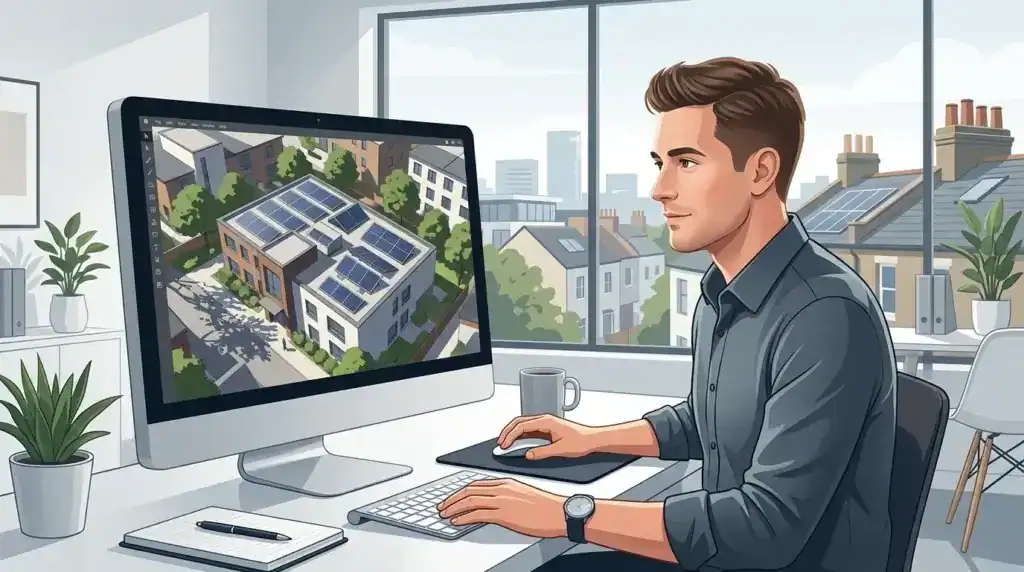
Many installers also use digital modelling software to estimate how shading may affect annual electricity generation. This allows different panel layouts to be compared before installation, helping you choose the design that offers the best long-term performance.
If you're considering solar panels, request a professional site survey and system design to understand how shading could affect your expected electricity generation.
Did You Know?
Even small areas of repeated shade can reduce the output of a solar system over time. A professional shading assessment helps identify these issues before installation, allowing the system layout to be optimised for better long-term performance.
Can Solar Panels in Winter UK Overcome Shading Problems?
Yes. Solar panels continue generating electricity throughout winter whenever daylight is available. Although shorter days and lower sun angles reduce electricity generation, a well-designed system can still make a valuable contribution to your home's energy needs.
Some shading issues can also be reduced through careful system design. Depending on your property, this may include pruning overhanging branches where appropriate, adjusting the panel layout, or using power optimisers or microinverters to reduce the effect of partial shading. Higher-efficiency panels can also help maximise generation from the available roof space, although they do not eliminate the effects of shading.
If you're unsure how winter conditions or shading may affect your roof, request a free system design and personalised assessment from our team.
When Should You Get a Solar Shading Analysis?
A solar shading assessment should be carried out before requesting installation quotes whenever possible. It provides a more realistic estimate of annual electricity generation and helps identify any obstacles that could reduce system performance.
A shading assessment also makes it easier to compare quotations from different installers because you'll better understand how each proposed system is expected to perform on your property.
Contact our team to arrange a professional assessment and receive a system design tailored to your roof and energy goals.
Frequently Asked Questions
Do solar panels work in winter?
Yes. Solar panels continue generating electricity throughout winter whenever daylight is available. Although shorter days reduce overall generation, cold temperatures can actually improve the operating efficiency of photovoltaic cells.
Does rain stop solar panels working?
No. Rain reduces the amount of sunlight reaching the panels, but they continue generating electricity during daylight. In many cases, rain also helps wash away dust and debris that may have accumulated on the panels.
Is shade worse than cloudy weather?
Yes. Passing clouds temporarily reduce sunlight across the entire system, whereas permanent shade repeatedly affects the same panels at certain times of the day. Over the course of a year, this can have a greater impact on electricity generation.
Can microinverters solve shading?
Microinverters help reduce the impact of shading by allowing each panel to operate independently. However, they cannot recover electricity that never reaches the panels, so good system design remains essential.
Is a shading analysis worth it?
Yes. A professional shading assessment provides a more realistic estimate of electricity generation and helps determine the most effective panel layout before installation. This allows you to compare quotations with greater confidence and make a more informed investment decision.
Why a Solar Shading Analysis Matters
Solar panels do not need direct sunlight to generate electricity. They continue producing power from daylight, which is why solar remains an effective option for many homes across the UK. While cloudy weather temporarily reduces electricity generation, permanent shading from trees, chimneys or neighbouring buildings can have a much greater impact on your system's long-term performance.
A professional solar shading assessment helps identify potential obstacles before installation, estimates realistic annual electricity generation and supports a panel layout that makes the most of your available roof space. This gives you a clearer understanding of how your system is expected to perform before you commit to an investment.
Planning to install solar panels?
Before comparing installation quotes, learn how shading could affect your expected electricity generation and why different installers may recommend different system layouts.
Read our guide: Solar Shading Analysis UK: The Best Way to Protect Your Panels' Output Before You Spend a Penny
Ready to take the next step? Get a free solar quote and speak with our team about designing a solar system that's tailored to your property, electricity usage and energy goals.